DEEP BRAIN REORIENTATION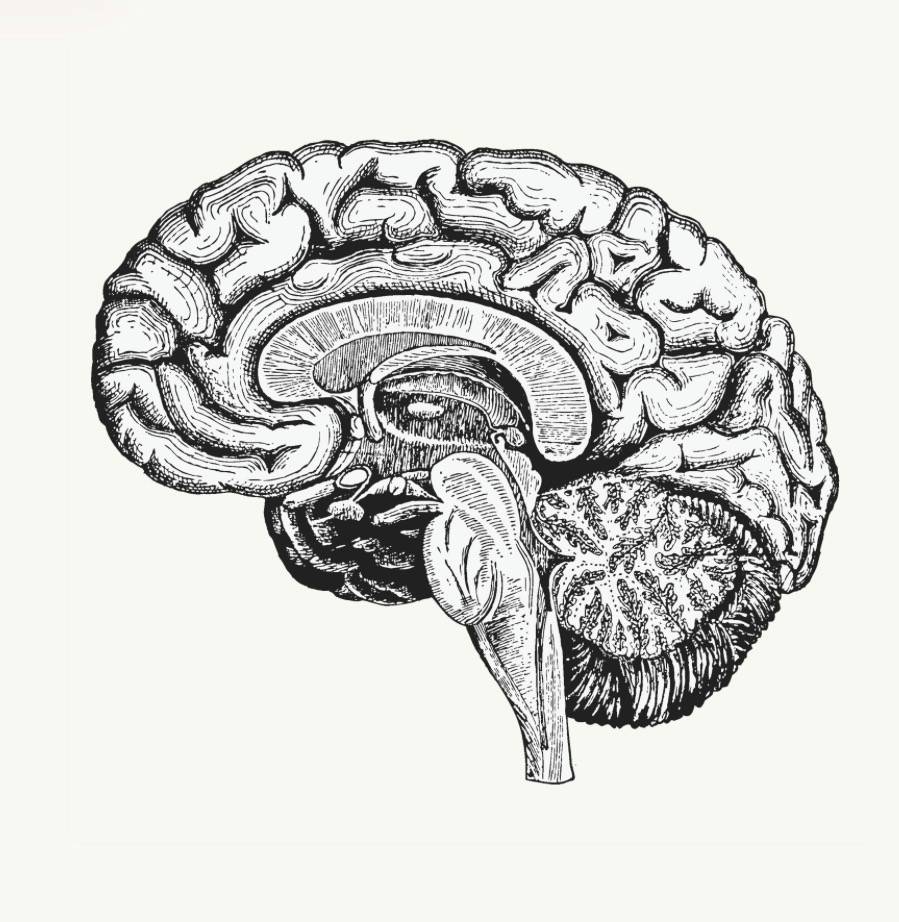

Deep Brain Reorienting (DBR) is an innovative trauma psychotherapy developed by Scottish psychiatrist Dr. Frank Corrigan that targets the deep subcortical brain structures—specifically the brainstem and midbrain—where survival responses first register before conscious thought or emotion occurs.
How Deep Brain Reorienting Works
Unlike traditional talk therapy or standard cognitive approaches that focus on narratives or beliefs, DBR slows down the neurological sequence of a traumatic event or trigger. It targets three precise micro-stages that happen in milliseconds:
- Orienting Tension: When a threat or attachment disruption happens, the brain's superior colliculus (a deep survival structure) automatically moves the eyes and tenses the muscles of the head, face, and neck. DBR uses this physical neck and head tension as a grounded anchor to keep the patient embodied.
- The Shock Response: This is the profound jolt or visceral shock (such as pressure behind the eyes or a hollow feeling in the body) that happens in the brainstem *before* full emotional and cognitive processing takes place. Patients learn to safely sit with and clear this stored shock.
- Affective Responses: Finally, the visceral emotional responses tied to the memory are allowed to arise and naturally resolve as the nervous system calms down.
Why DBR is Unique?
Subcortical Focus:
It works lower than the amygdala, directly targeting the core neurological imprints of complex trauma, PTSD, and attachment wounds.
Less Overwhelming:
Because it avoids deep, continuous immersion in the traumatic storyline, it tends to be less activating and reduces the risk of re-traumatization or extreme dissociation compared to other modalities.
Embodiment:
By focusing closely on subtle facial and neck sensations, it helps individuals feel safely reinhabited in their own bodies